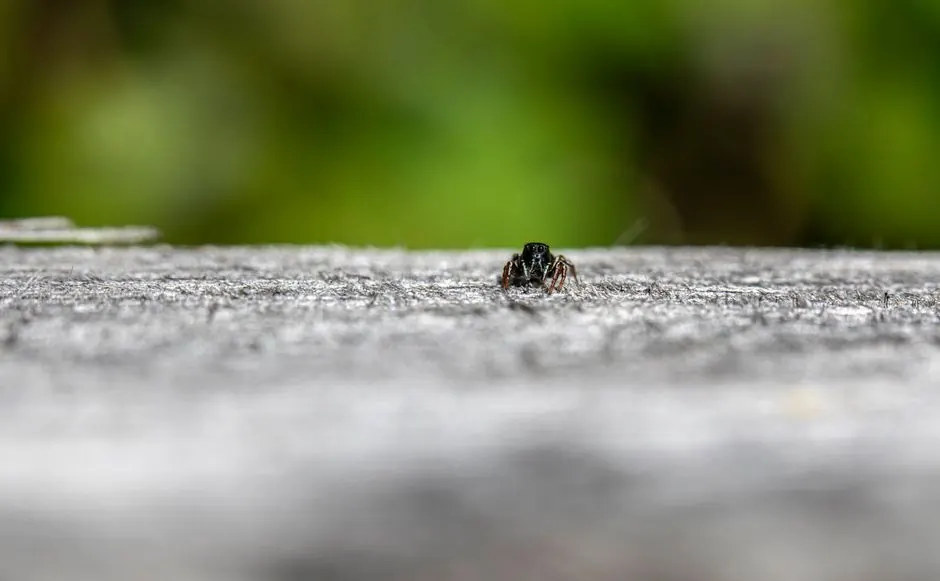
Spiders can be a common nuisance in Littleton homes, often leading homeowners to wonder why these eight-legged creatures seem to thrive in their spaces. The primary reason your Littleton home may be attracting spiders is due to the availability of food, shelter, and moisture. In this post, we will explore the various factors contributing to spider infestations and how you can effectively manage and prevent these unwelcome guests.
Understanding Spider Behavior
To address spider infestations, it's essential to understand their behavior. Spiders are generally solitary creatures that prefer to stay hidden during the day. They often build webs in dark, undisturbed areas to catch prey, which usually consists of insects. Knowing how spiders behave can help you identify potential entry points and breeding grounds in your home.
Common Spider Species in Littleton
Littleton is home to several common spider species, each with distinct habits and habitats. The most frequently encountered spiders include:
- Common House Spider: Often found in corners and basements.
- Black Widow: Recognizable by its glossy black body and red hourglass marking.
- Brown Recluse: Known for its violin-shaped marking and preference for dark, secluded areas.
Understanding these species can help you identify which spiders you might be dealing with and how to effectively manage them. For example, if you suspect a black widow infestation, immediate action is necessary due to their venomous nature.
Factors Attracting Spiders to Your Home
Several factors can make your home more appealing to spiders:
- Insect Presence: A high number of insects, such as flies and mosquitoes, can attract spiders looking for food.
- Moisture: Spiders are drawn to damp areas, such as bathrooms, kitchens, and basements.
- Clutter: Piles of clothes, boxes, or other clutter provide hiding spots for spiders.
- Entry Points: Gaps in windows, doors, and foundations can allow spiders easy access to your home.
By addressing these factors, you can significantly reduce the likelihood of spider infestations.
Preventative Measures
Taking proactive steps can help keep spiders at bay. Here are some effective measures to implement:
- Regular Cleaning: Dust and vacuum regularly to remove spider webs and potential food sources.
- Seal Entry Points: Inspect your home for gaps and seal them with caulk or weather stripping.
- Reduce Clutter: Keep your living spaces tidy to eliminate hiding spots.
- Maintain Outdoor Areas: Trim back bushes and shrubs, and keep firewood stored away from the home.
Implementing these preventative measures can help create an environment less hospitable to spiders.
Common Mistakes to Avoid
While trying to manage spider populations, homeowners often make mistakes that can exacerbate the problem:
- Ignoring Signs of Infestation: Failing to address spider sightings promptly can lead to larger infestations.
- Using Insecticides Improperly: Overusing sprays can harm beneficial insects and create a toxic environment.
- Neglecting Outdoor Maintenance: Allowing vegetation to grow too close to the home can provide easy access for spiders.
Avoiding these common pitfalls will help you maintain a spider-free environment.
When to Call a Professional
If you find yourself overwhelmed by spider infestations, it may be time to seek help. Professional spider control services can provide targeted treatments and ongoing prevention strategies to keep your home spider-free. Littleton Pest Control Pros has the expertise to identify the species and recommend the best course of action.
Frequently Asked Questions
Why do spiders come into my home?
Spiders enter homes primarily in search of food (insects) and shelter. They are also attracted to moisture, making kitchens and bathrooms prime targets.
How can I tell if I have a spider infestation?
Signs of a spider infestation include seeing webs, spotting spiders frequently, and finding egg sacs in corners or hidden areas.
Are all spiders harmful?
While many spiders are harmless and beneficial for controlling insect populations, some, like the black widow and brown recluse, can be dangerous to humans.
What should I do if I find a venomous spider?
If you encounter a venomous spider, it's crucial to avoid contact and contact a professional pest control service immediately for safe removal.
Can I prevent spiders without using pesticides?
Yes, maintaining cleanliness, sealing entry points, and reducing clutter are effective non-chemical methods to prevent spider infestations.
Get help with Pest Control in Littleton
If you're struggling with spider issues in your home, it's time to take action. Littleton Pest Control Pros can provide the solutions you need to keep your home safe and comfortable. Call us today at +13035677716 for expert assistance!